In 2020 Karoo Kanna was born from a deep respect for nature and a commitment to providing genuine plant based alternatives to pharmaceutical interventions for mental health.
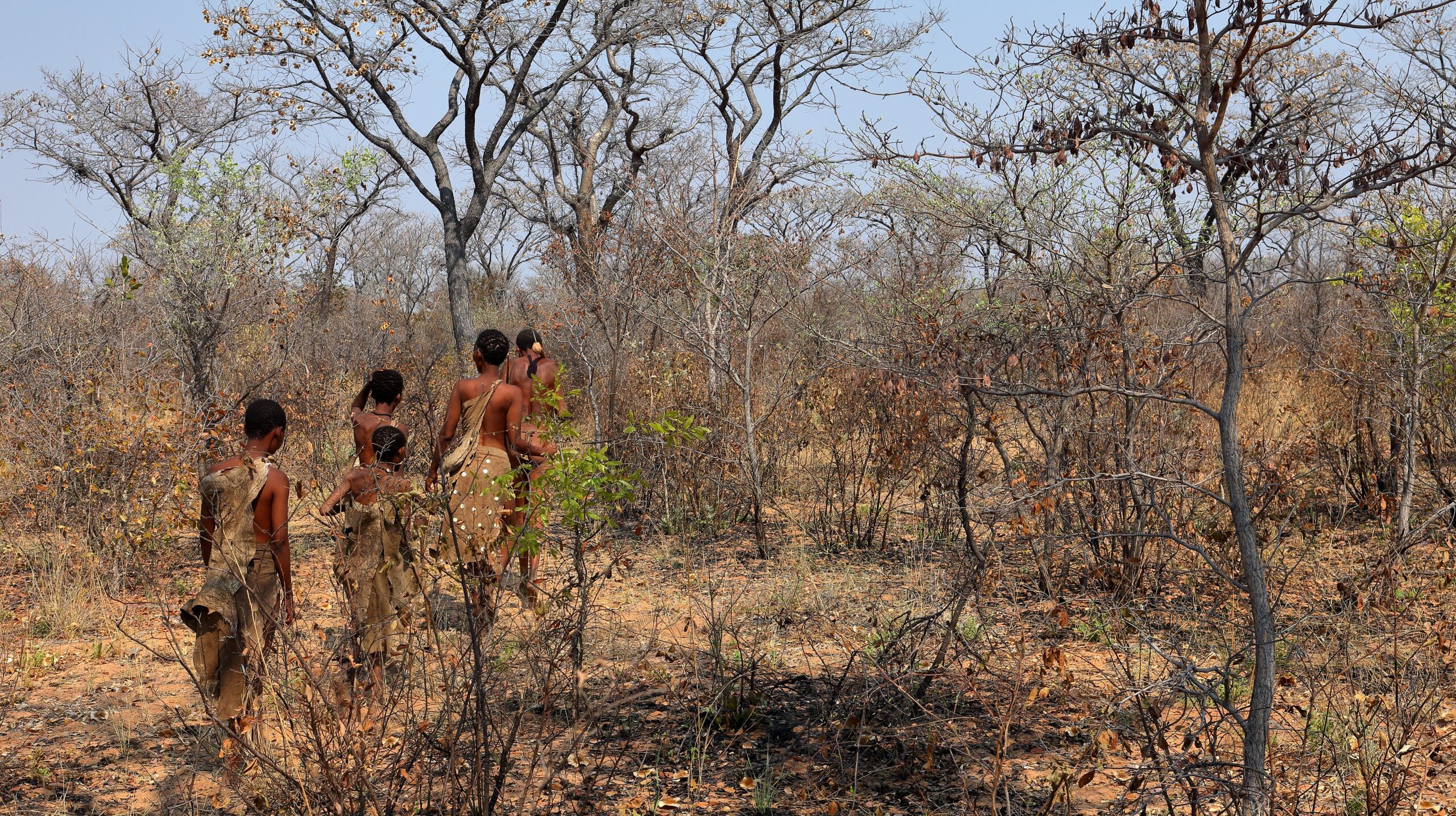
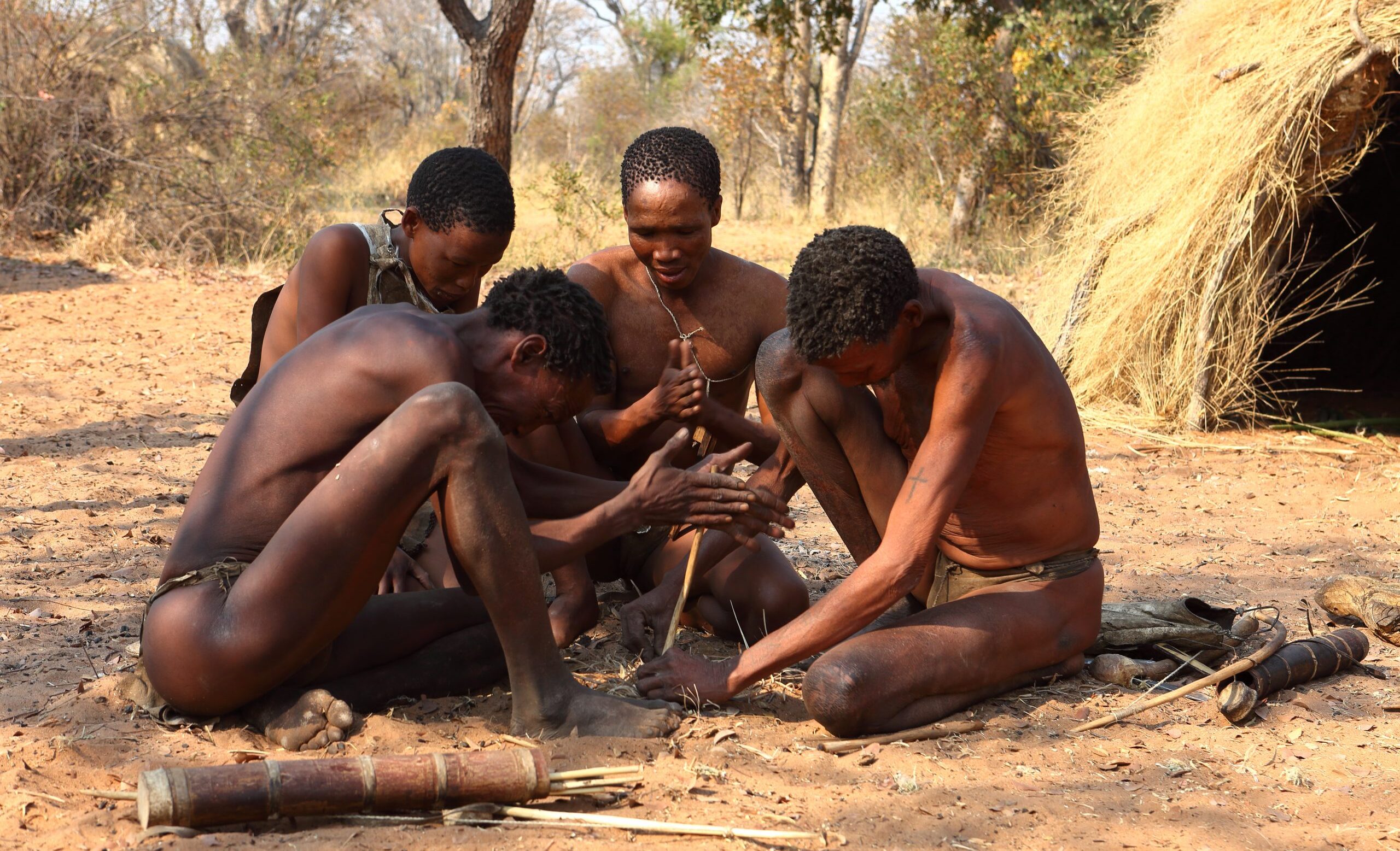
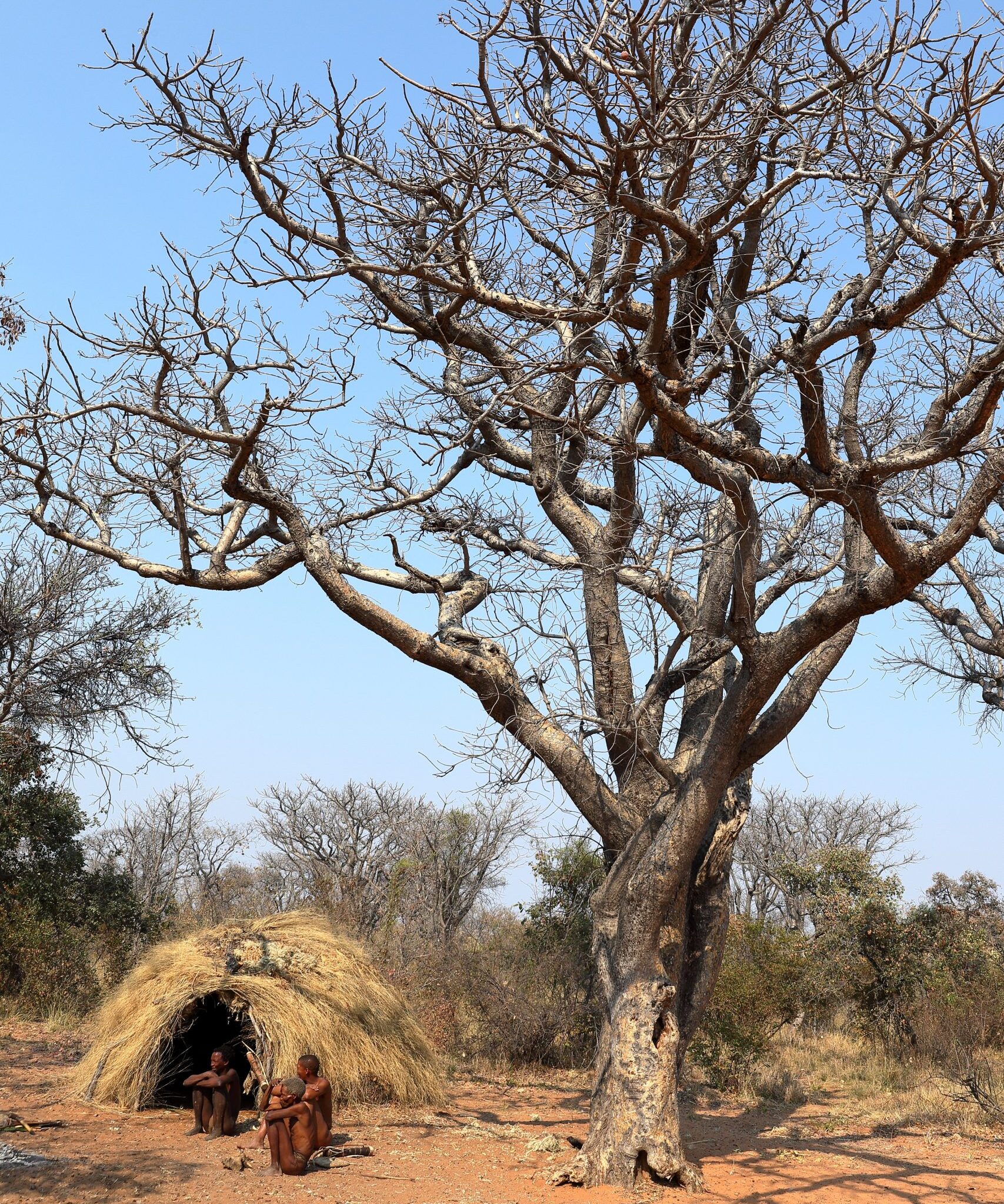
The Sceletium plant has been cherished by the Khoikhoi and San people of Southern Africa for thousands of years. The first written account of this sacred plant dates back to 1662 by Jan van Riebeeck and Simon van der Stel. For millennia, indigenous communities have relied on Kanna for it’s remarkable ability to elevate mood, reduce anxiety, and create feelings of calm and centeredness.
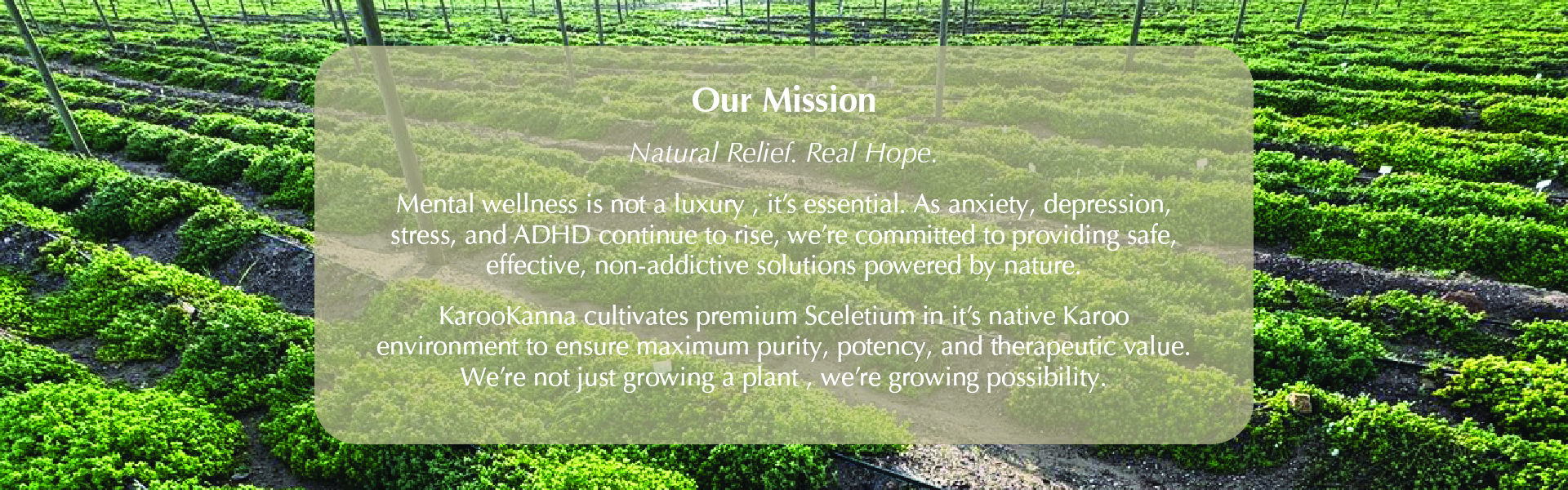
Mental wellness is not a luxury , it’s essential. As anxiety, depression,
stress, and ADHD continue to rise, we’re committed to providing
Karoo Kanna cultivates premium Sceletium in it’s native Karoo environment to ensure maximum purity,
potency, and therapeutic value. We are no just growing a plant, we are growing possibility.
Sceletium tortuosum, commonly known as Kanna, has been used for centuries by the San and Khoikhoi people of Southern Africa. While written records date back to 1662, it’s traditional use likely stretches far deeper into prehistory.
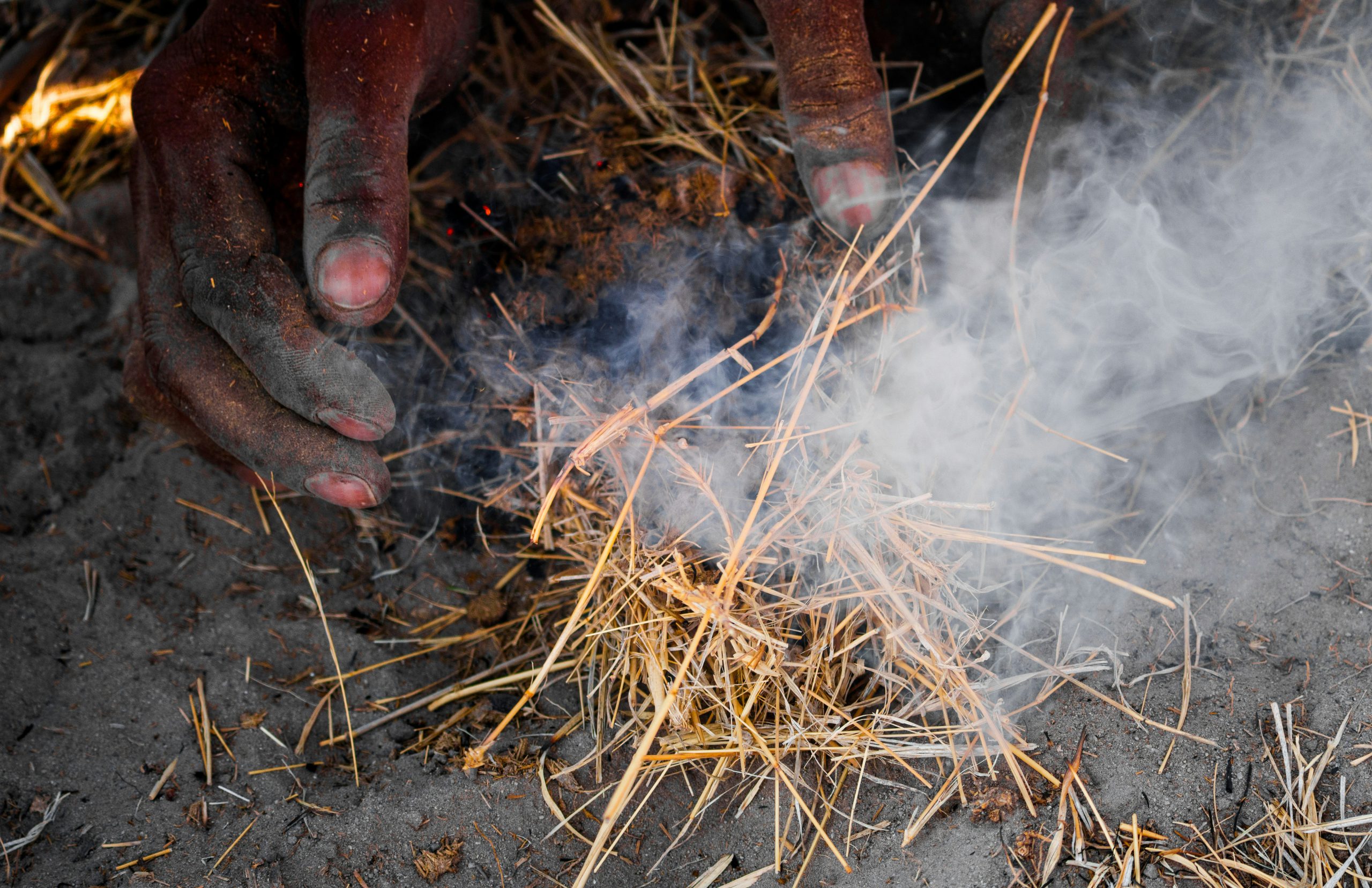
For the Khoisan people, Kanna was both medicinal and sacred. It was chewed, fermented, smoked, and prepared in various ways to elevate mood, ease hunger, relieve pain, and support ritual practices. The plant held deep cultural significance — even sharing it’s name with the revered Eland, a powerful spiritual symbol in San tradition.
This knowledge was preserved and passed down through generations long before colonial documentation began.
Dutch settlers documented Kanna as early as the 17th century. By 1685, the first botanical illustrations were recorded during expeditions to Namaqualand.
European observers described it as:
• A “cheerer of the spirits”
• A restorative
• A substance traded over long distances
• A plant prepared through fermentation before
chewing
By the 18th and 19th centuries, botanists formally identified the plant as Sceletium tortuosum, and its traditional uses continued to be recorded in scientific
literature.
Historically, Kanna was used to:
• Elevate mood
• Relieve stress and anxiety
• Ease pain and toothache
• Suppress hunger and thirst
• Support ritual and communal practices
Preparation methods included fermentation, drying, smoking, tea infusions, and powdered snu. The fermentation process was known to alter its potency
and eects.
In 1898, researchers isolated the first alkaloid from Sceletium, later named mesembrine.
Throughout the 20th century, scientists identified a complex profile of more than 30 alkaloids, including:
• Mesembrine
• Mesembrenone
• Mesembrenol
• Tortuosamine
These compounds are now understood to influence mood regulation pathways, supporting modern research into Sceletium’s therapeutic potential.
Sceletium is chemically complex and naturally
variable. Alkaloid levels are influenced by:
• Cultivar genetics
• Climate and soil
• Harvest timing
• Fermentation methods
Total alkaloid content in raw plant material typically ranges between 0.3% and 2.3% of dry weight.
At Karoo Kanna, we cultivate in the plant’s native Karoo environment to optimise alkaloid expression while respecting traditional knowledge and modern science.

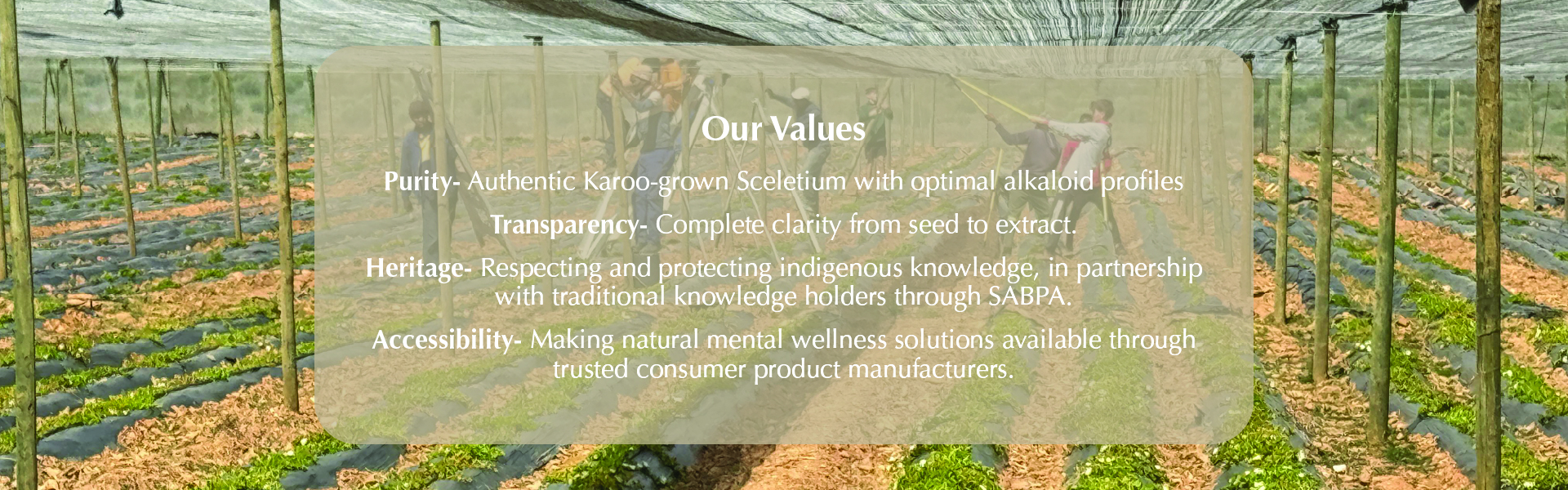
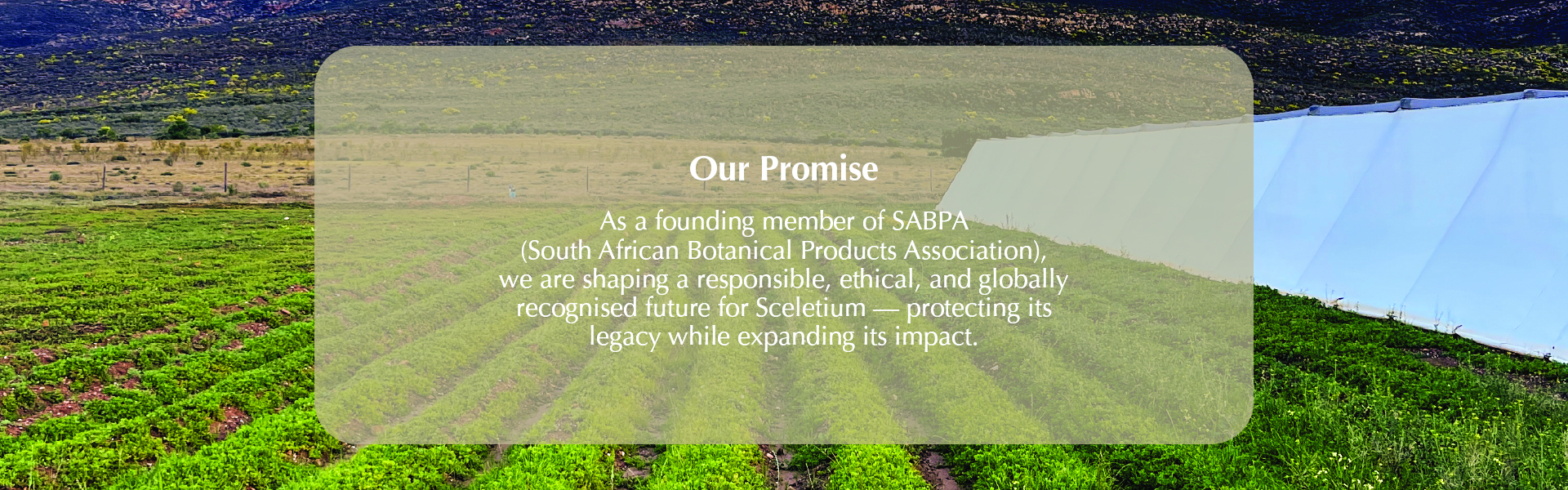
KarooKanna is a founding member of SABPA (South African Botanical Products Association) that acts on behalf of all Sceletium members in negotiating a “Benefit Sharing Agreement” with recognized traditional knowledge holders: Khoi and San peoples who introduced this plant and its benefits to European settlers.
(www.sabpa.africa)